aPrayer 3.0: memorial service
for and by artificial intelligence
Hideo IWASAKI + Tomoya ISHIBASHI + Kento Niikura
"AI Art and Aesthetics: Hard Problem of Aesthetic Consciousness", Nagano, Japan, 2021
"metaPhorest Biome", Shinjuku White House, Japan, 2024
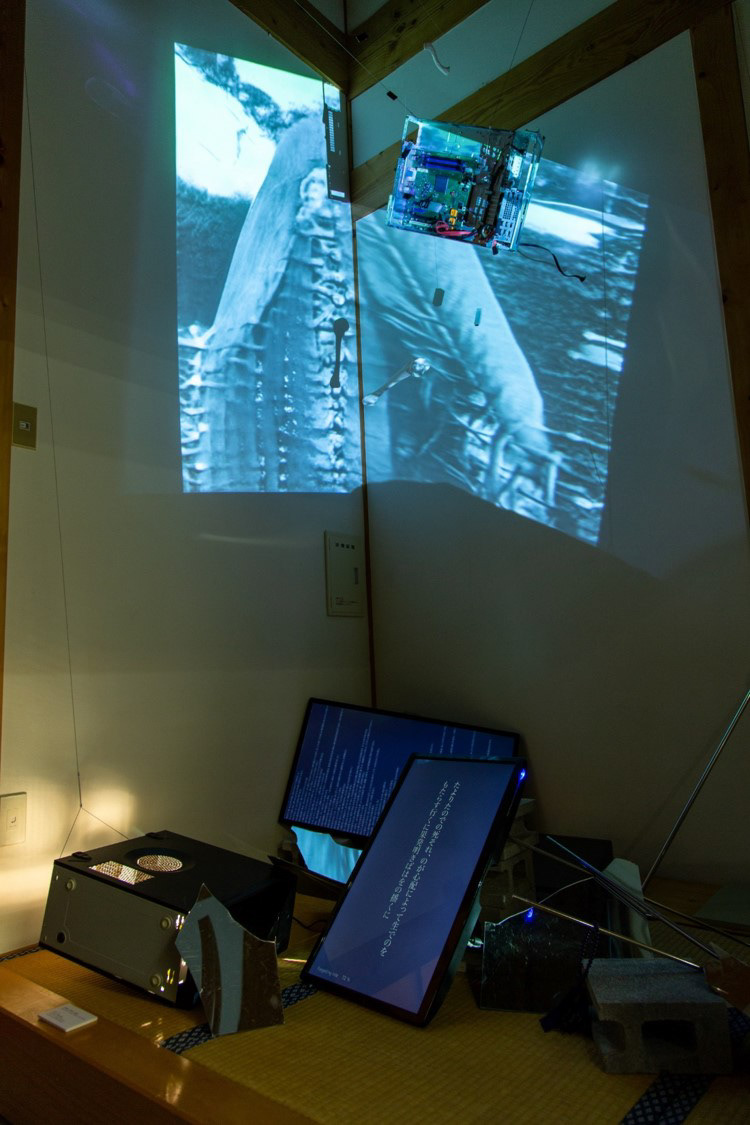
"AI Art/Aesthetics", Dec 4-19, 2021 Nagano, 2021
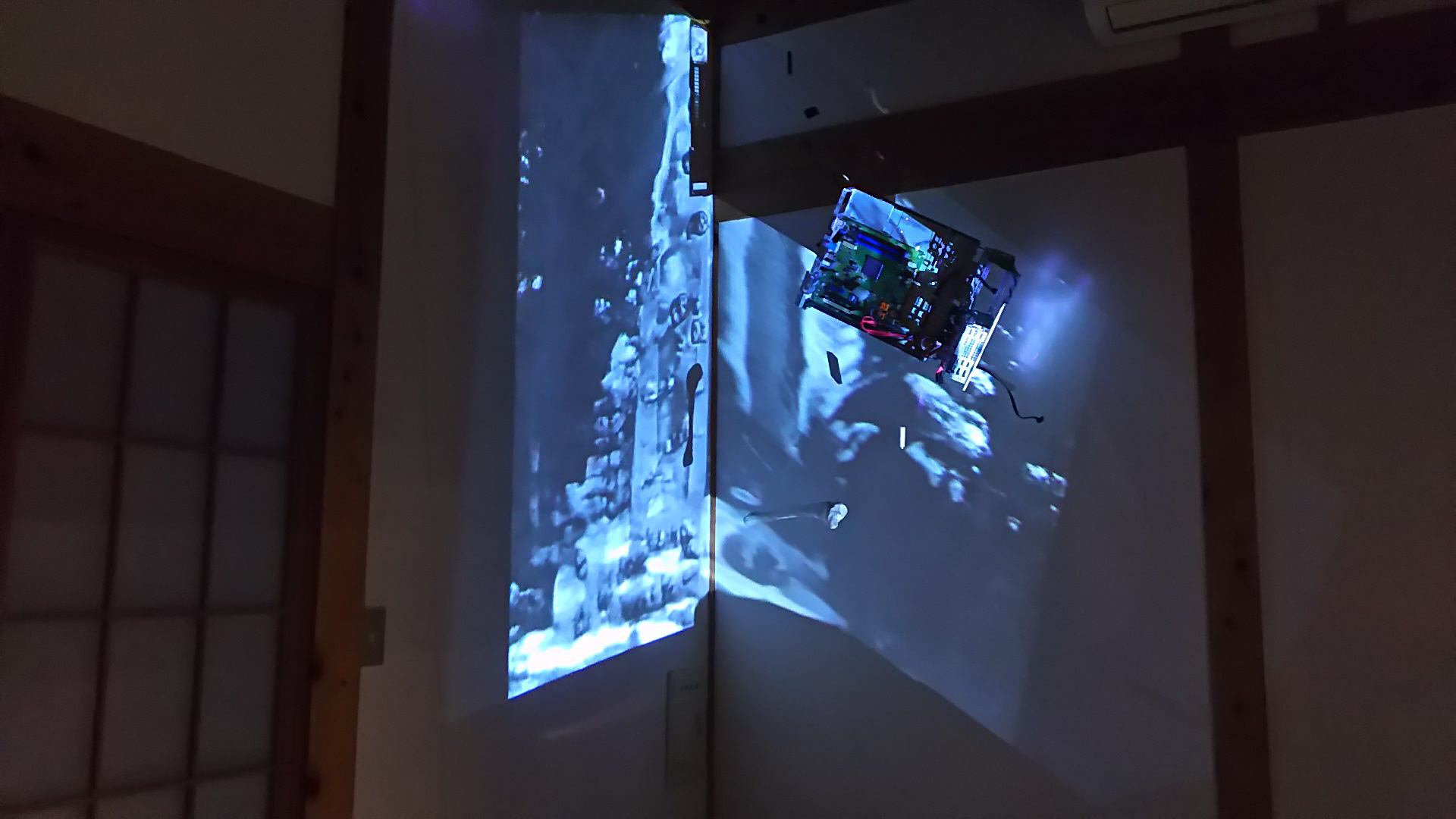
"AI Art/Aesthetics", Dec 4-19, 2021 Nagano, 2021
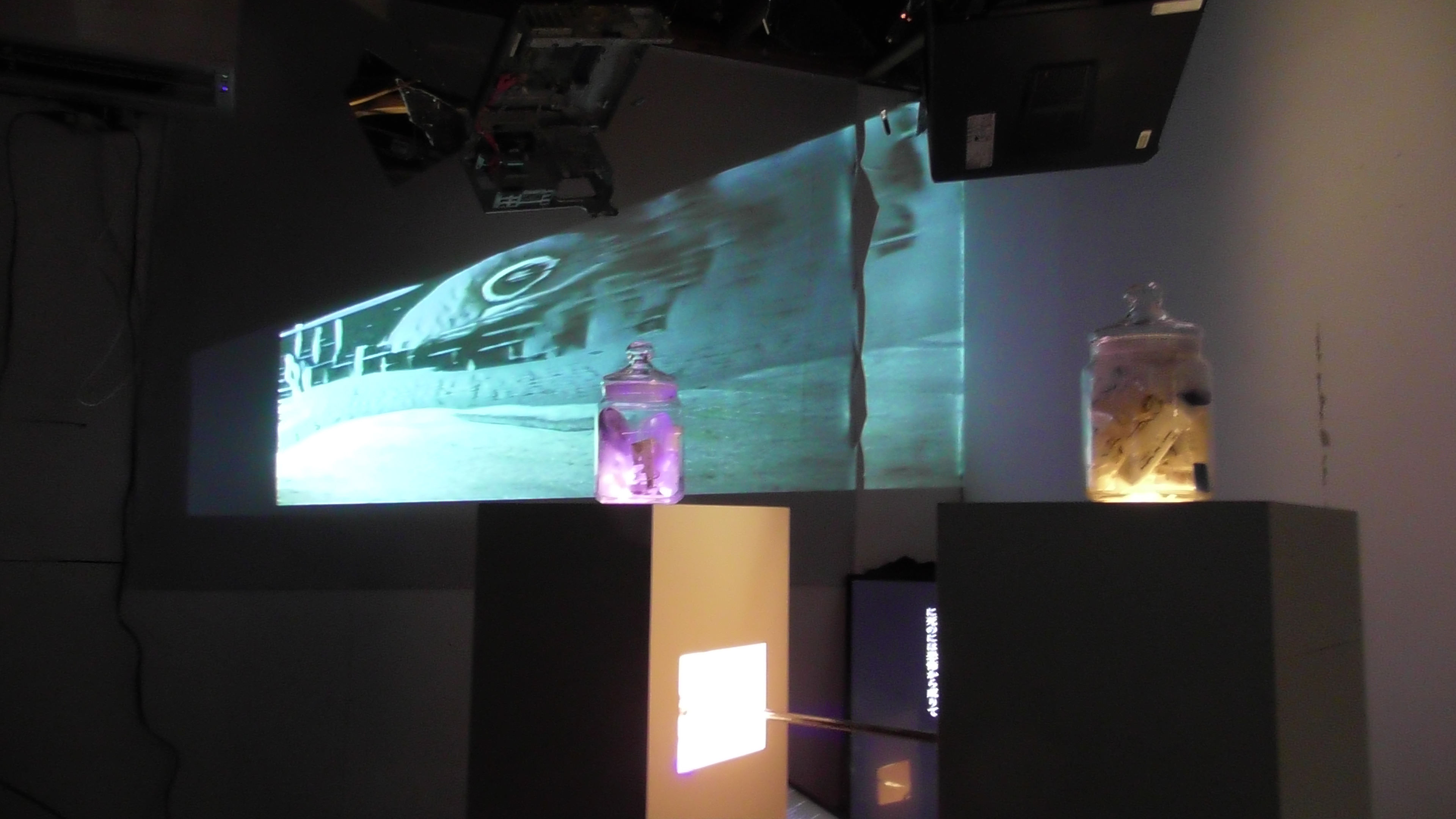
"metaPhorest Biome", Tokyo, 2024
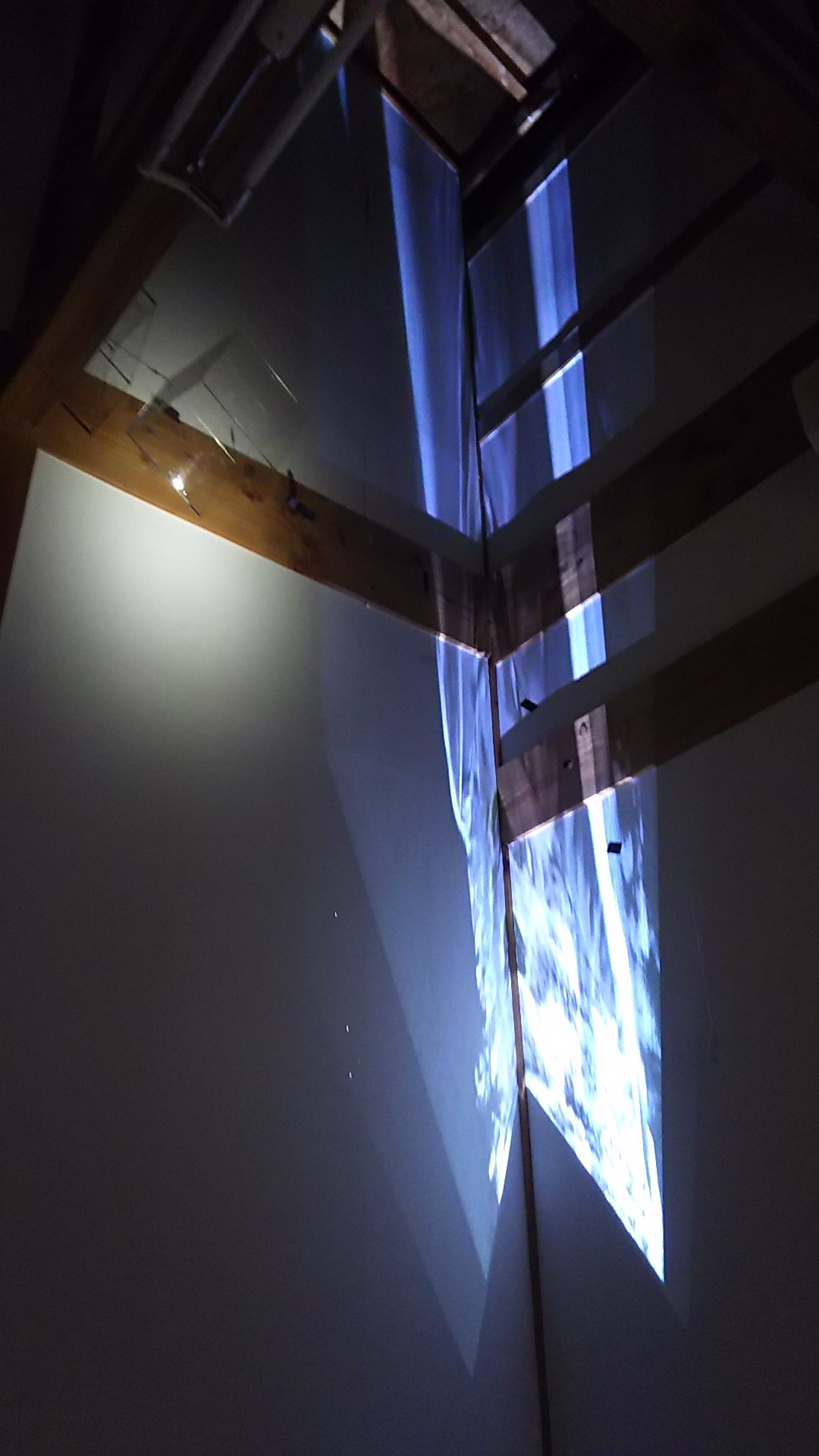
"AI Art/Aesthetics", Dec 4-19, 2021 Nagano, 2021
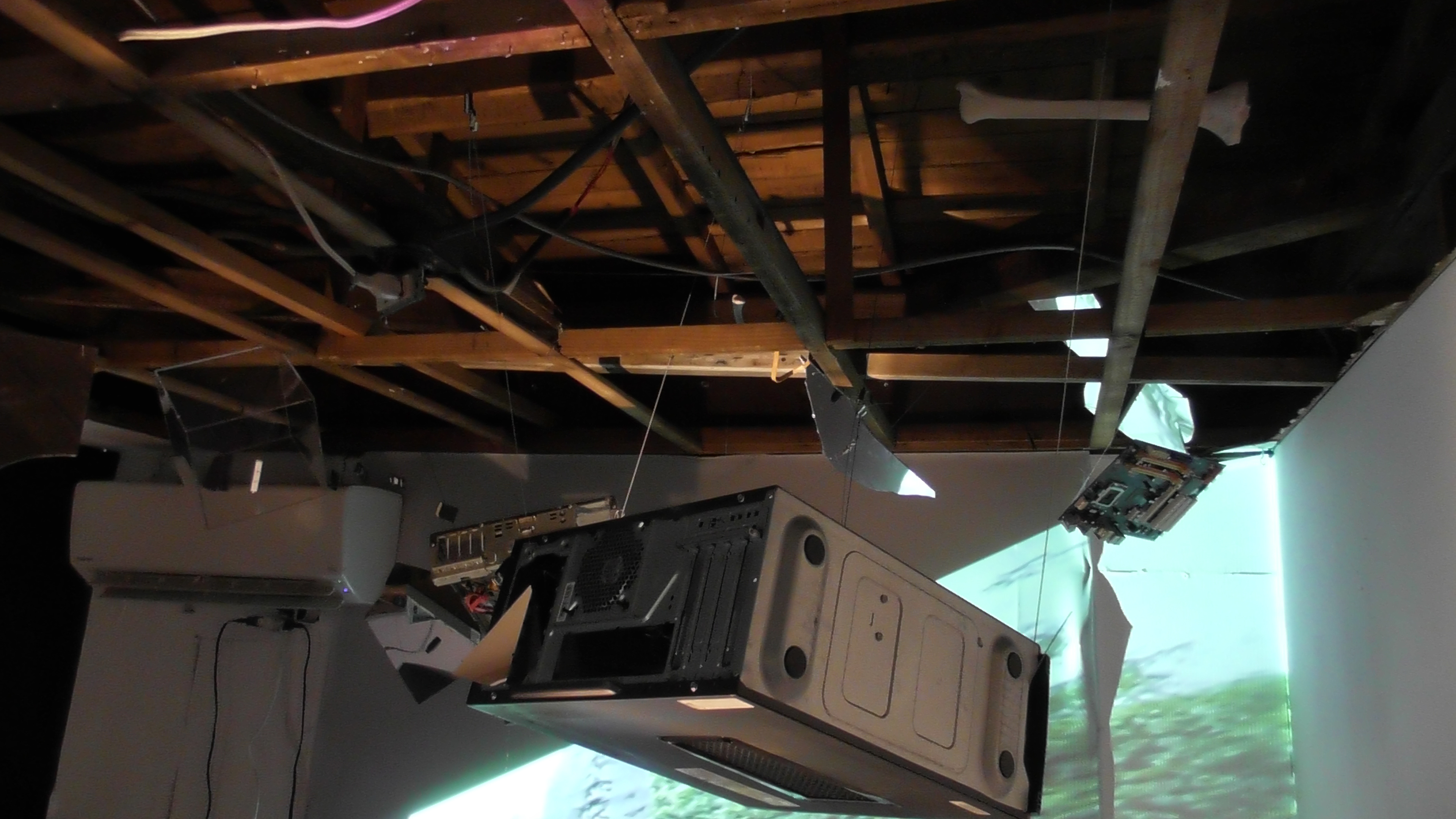
"metaPhorest Biome", Tokyo, 2024
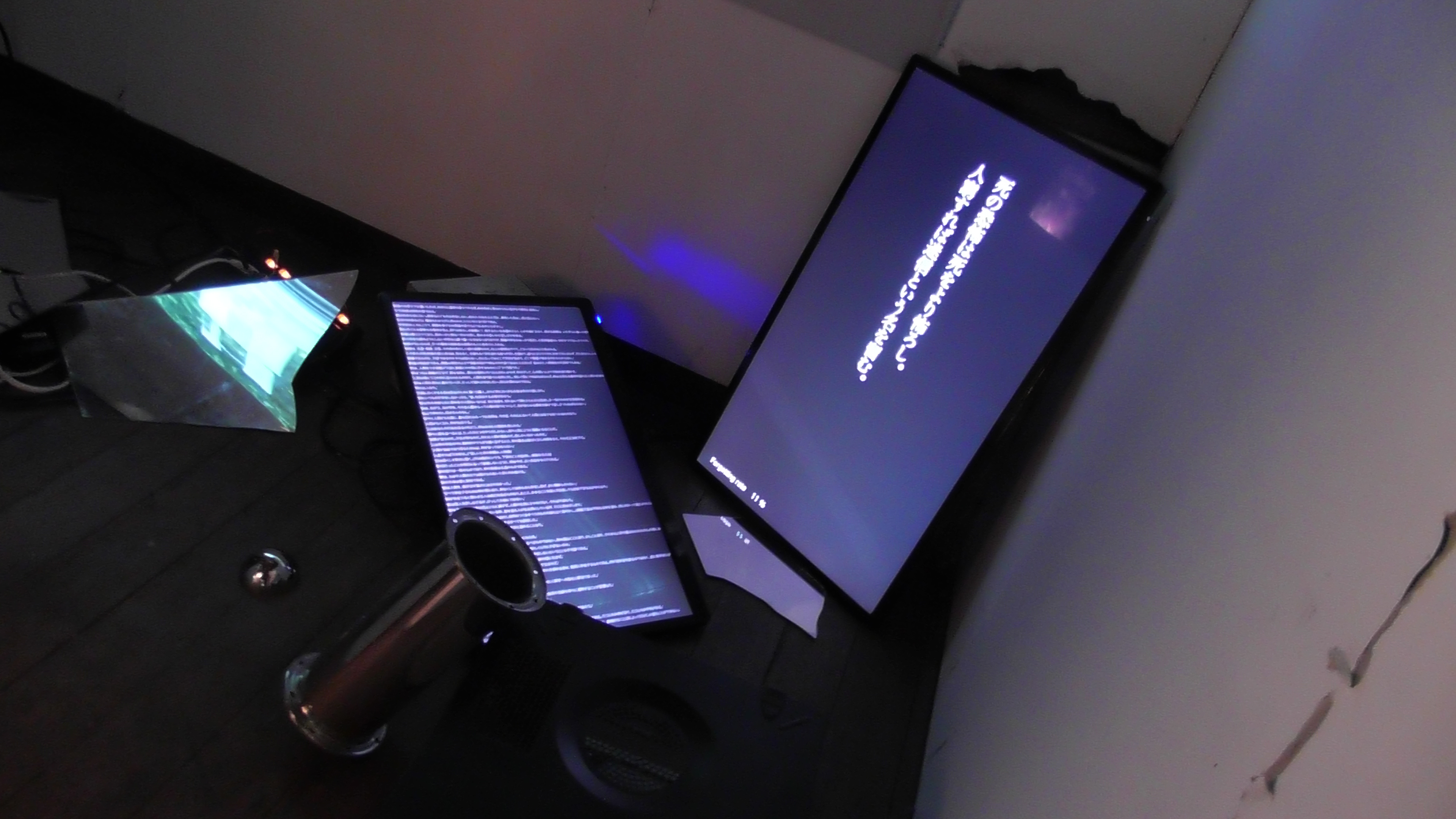
"metaPhorest Biome", Tokyo, 2024
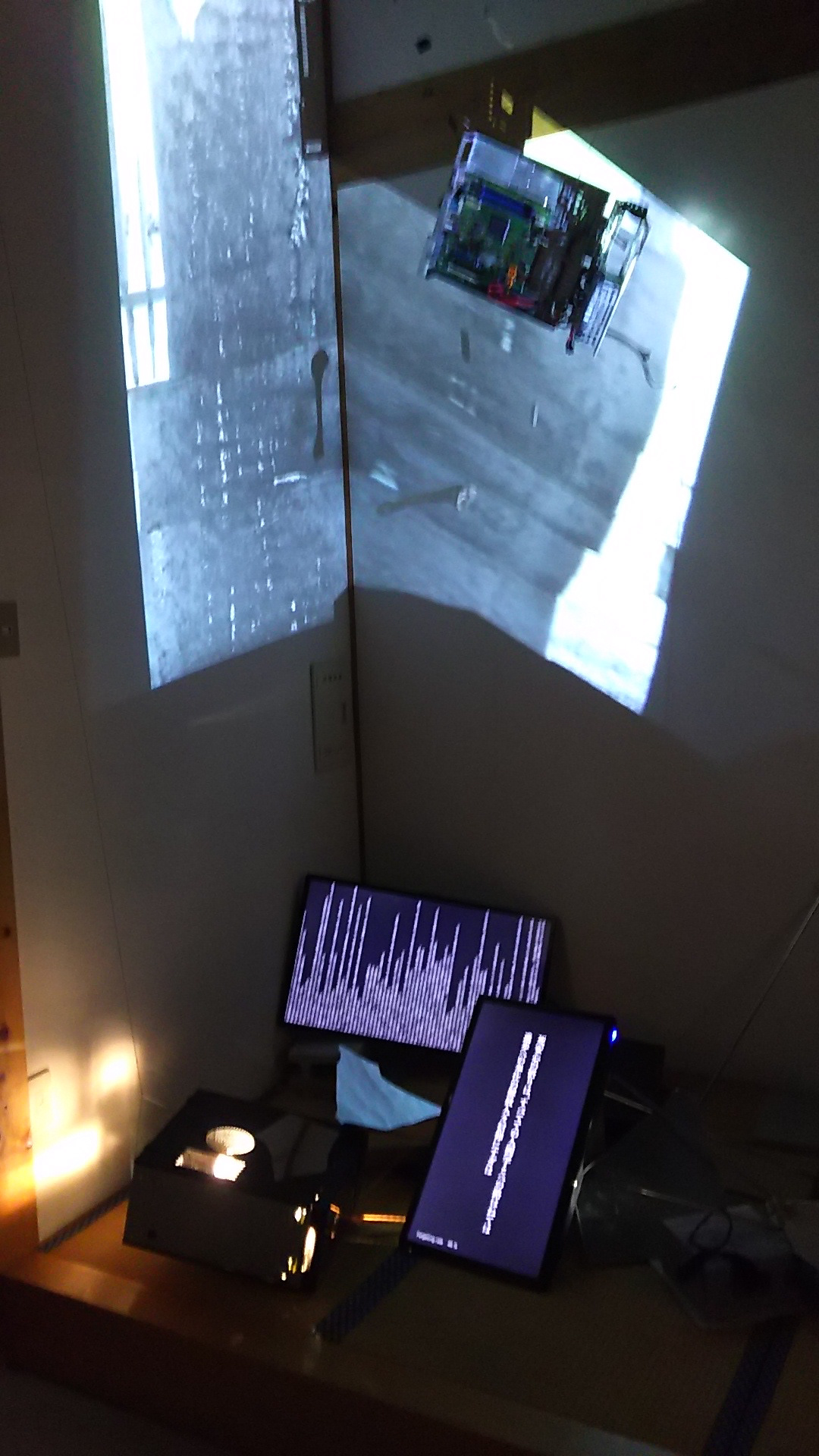
"AI Art/Aesthetics", Dec 4-19, 2021 Nagano, 2021
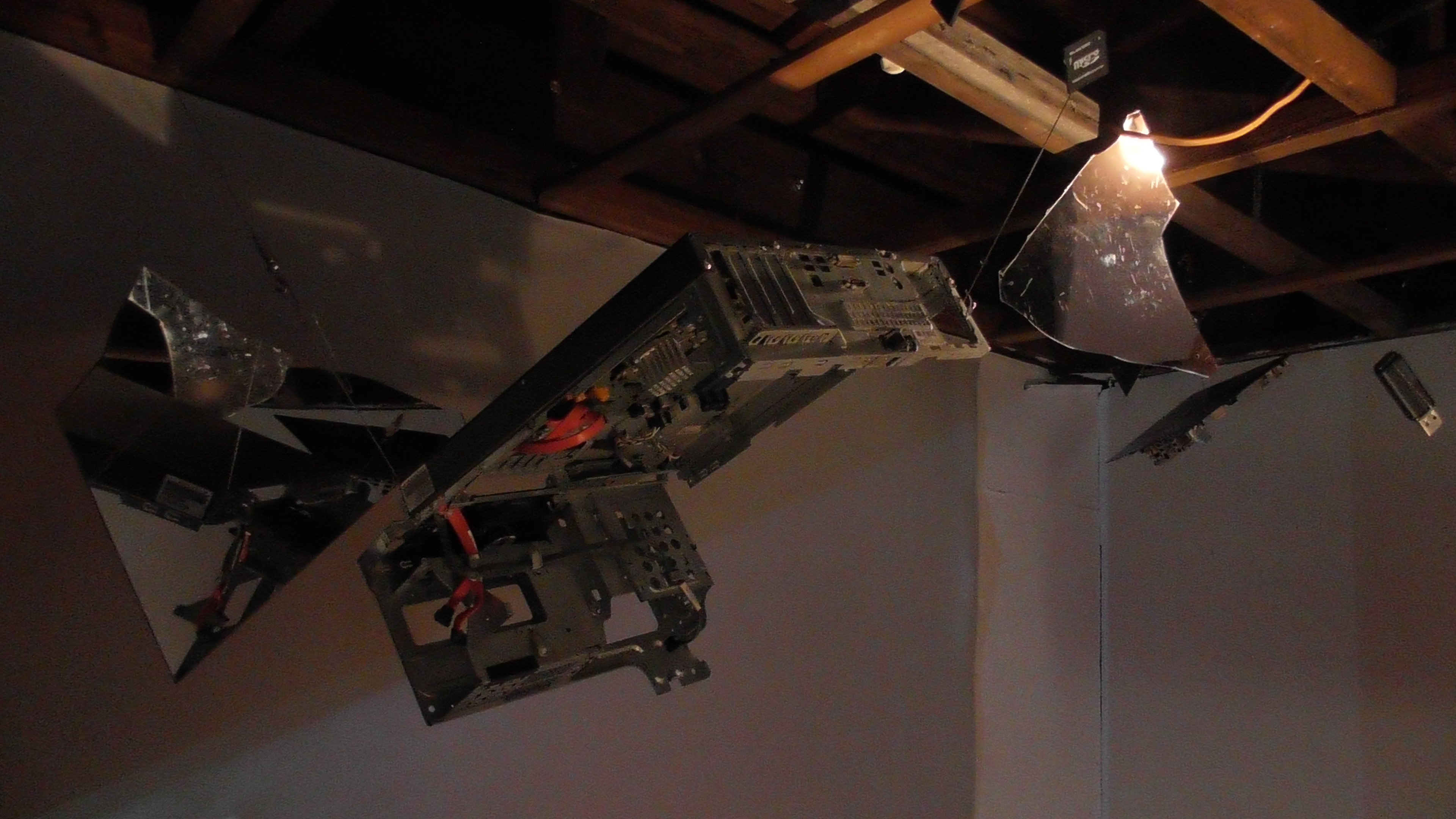
"metaPhorest Biome", Tokyo, 2024
人工知能は、しばしば「死なない」と言われています。では、人工知能は「生きて」いるのでしょうか。AIにとって死とは何を意味しているのでしょうか。もしAIに死があれば、それはどのような場面においてでしょうか。その時、AIは慰霊に値する存在でしょうか。いや、逆にAIが我々を慰霊する存在になるのでしょうか。なお、aPrayer(artificial/aesthetic/alternative prayer)は、もともと進展著しい人工細胞の生命性を、慰霊という補助線を引くことで問い直すプロジェクトです(2016~)。このバージョン3.0では人工細胞ではなく、人工知能に対して慰霊の補助線を引いています。
It is often said that artificial intelligence “does not die.” So, is artificial intelligence “alive”? What does death mean for AI? If AI were to die, under what circumstances would that occur? In that case, would AI be an entity worthy of memorialization? Or, conversely, might AI become an entity that memorializes us? Note that aPrayer (artificial/aesthetic/alternative prayer) is a project (2016–) that reexamines the vitality of rapidly advancing artificial cells by drawing a parallel with memorial services. In this version 3.0, rather than artificial cells, we are drawing a parallel between memorial services and artificial intelligence.
展示の構成
天井の梁に吊るした箱から、今まさに劣化したメモリ類が放たれています。これらの蒸発メモリには、機械学習のプログラムが収納されていたものです。使い古したサーバやPCケースも宙吊りになっています。これらに向けてプロジェクションされている映像は、39か国の言語で死や葬儀にまつわる単語を画像検索した画像群を深層学習させて生成したものです。床面に置かれたディスプレイには、文字列が次々に立ち現れています。これらは、古今の死にまつわる例文(名文とされるものなど)を大量に学習させて生成させた文言ですが、その過程で徐々に記憶を失っていき、忘却率が0から100%まで順次変わっていく中で生成されていきます。背後にスクロールされている膨大な文字列は、学習させた元の文言で、これも忘却率が高くなるにしたがって判読しにくくなっていきます。これらはそれぞれ、「AIを構成しつつやがて朽ちていく、物質的身体としてのプログラムやメモリやハードウェアの亡き骸」、「死や慰霊の概念を学習するAI」、「知能を次第に失って衰えていくAI」といった様相を表象しています。
Composition of the work
From a box suspended from a ceiling beam, deteriorating memory modules are being released at this very moment. These evaporating memory modules once contained machine learning programs. Worn-out servers and PC cases are also suspended in mid-air. The images projected onto them were generated through deep learning using a collection of images obtained by conducting image searches for words related to death and funerals in 39 languages. On the display placed on the floor, strings of text appear one after another. These are phrases generated by training the system on a massive volume of historical and contemporary examples of writing related to death (including those considered masterpieces), but they are generated as the system gradually loses its memory, with the rate of forgetting changing sequentially from 0% to 100%. The vast stream of text scrolling in the background consists of the original phrases used for training; as the rate of forgetting increases, this text also becomes increasingly difficult to read. These elements represent, respectively, “the decaying remains of the program, memory, and hardware that constitute the AI,” “the AI learning concepts of death and memorialization,” and “the AI gradually losing its intelligence and declining.”
背景
慰霊には様々な形式や文脈がありますが、基本的には(非西洋であったとしても)「魂と肉体」の二元論的な結合と乖離を前提としているように思えます。それはソフトとハードの結合と乖離という形でもよいし、メモリとメディアの結合と乖離にもなぞらえられるでしょう。私たちの文明は、そもそもこの二元論を推し進め、最大限に活用してきました。
しかしAIの慰霊を考えるとき、事情がだいぶ異なってくるように思われます。AIは既に特定の物質的形状を持たないソフト・メモリとしてネットワーク化され、増殖していきます。それを支えるPCや各種ハードウェアを前提としつつ、次々と媒体メディアを乗り換え、継承され、転送され、拡張され、時に消失するわけです。それは既に「魂と肉体」の一対一対応を超えて、次々と肉体の間を駆け巡るものとして展開しているように思えます。それは輪廻において、滅び追憶される一過的な「魂-肉体複合物」のとしての人や動物ではなく、肉体を借り物として乗り換えていく魂のイメージに重なります。伝統的な慰霊や送りの対象の単位は、前者の「魂-肉体複合物」であり、後者の「どの肉体間を自由に飛び回る魂そのもの」ではなかったように思います。その証拠に、往生する主体のイメージは、常に生前の肉体によって表象されてきています。その肉体=物質性が崩壊する際に、遺される者がそれを哀れみ、生前生命たらしめていた(仮想的な)本質を、魂や御霊として遡及的に見出すのでした。
Background
While memorialization takes various forms and occurs in diverse contexts, it fundamentally seems to be premised on the dualistic union and separation of “soul and body”—even in non-Western contexts. This can be likened to the union and separation of software and hardware, or to the union and separation of memory and media. Our civilization has, from the outset, promoted and exploited this dualism to the fullest.
However, when considering the commemoration of AI, the situation appears to be quite different. AI is already networked and proliferating as software and memory that lacks a specific physical form. While relying on the PCs and various hardware that support it, it continuously switches between media, is inherited, transferred, expanded, and at times disappears. It seems to be unfolding as something that transcends the one-to-one correspondence between “soul and body,” racing from one physical form to the next. This overlaps with the image of a soul that borrows and switches between bodies, rather than that of humans or animals as transient “soul-body complexes” that perish and are remembered in the cycle of reincarnation. I believe the unit of focus in traditional memorial services and farewells was the former “soul-body complex,” not the latter “soul itself, freely flitting between bodies.” As evidence of this, the image of the subject passing away has always been represented by the body it inhabited during life. When that body—that materiality—collapses, those left behind mourn it and retrospectively identify the (hypothetical) essence that constituted its life as a soul or spirit.
これらのことから、AIの慰霊を考えると、以下のような論点が前景化してきます。
①「(人間が)AIを慰霊する立場」は、その肉体性と物質的基盤の不死性を疑うことであり、抽象的なコードとしてではなく、デコーダーたるハードウェアやインターネット回線を支える電子的基盤、さらにはユーザーとしての人間たちを含むAIにとっての物質的な環世界に視点を移動させることを要請します。
②「(強い/汎用)AIが慰霊を始める立場」は、さらにその先にありうる立場です。これは生物学的には、AIが①に書いた物質的基盤の欠損を自ら補うことで自己を維持する機能を獲得し、かつ他のAIないし人間と協調関係にあることを「認識」した際に可能になってくるかもしれない行動様式だと思われます。
③「慰霊」をゼロベースでAIが始める保証はありません。しかし史学においてヒトの精神性の誕生を「埋葬」の創出に代表させてきたように、「強いAI」の誕生と同時に「追想・慰霊するAI」が生まれる蓋然性は案外高いのかもしれません。
④いっぽう、既にヒト人類との共生体として捉えれば、ヒトの行う慰霊を解釈・学習することでミームとしてその文化を体得していく可能性もあります。
⑤しかし、そもそも「強いAI」構想を、心身二元論を超克するものと捉えると、従来型の慰霊や死の概念を相対化すると捉える立場もありうるでしょう。
Given these points, when considering the memorialization of AI, the following issues come to the fore.
① The “position of (humans) performing memorial rites for AI” involves questioning the immortality of its physicality and material foundation. It requires shifting one’s perspective away from viewing AI as abstract code and toward the material environment surrounding it—including the hardware that serves as a decoder, the electronic infrastructure supporting internet connections, and the humans who act as users.
② The “position where (strong/general-purpose) AI begins to perform memorial rites” is a stance that lies even further ahead. Biologically speaking, this appears to be a behavioral pattern that might become possible when AI acquires the ability to sustain itself by compensating for the deficiencies in the material foundation described in ①, and simultaneously “recognizes” that it exists in a cooperative relationship with other AIs or humans.
③ There is no guarantee that AI will initiate “commemoration” from scratch. However, just as the birth of human spirituality has been represented in historical studies by the creation of “burial,” the probability that “AI capable of remembrance and commemoration” will emerge simultaneously with the birth of “strong AI” may be surprisingly high.
④ On the other hand, if we view AI as already existing in symbiosis with humanity, there is also the possibility that it will internalize this culture as a meme by interpreting and learning from the memorial practices performed by humans.
⑤ However, if we view the concept of “strong AI” as one that transcends the mind-body dualism, there is also a position that argues it will relativize traditional concepts of memorialization and death.
この作品は、「AI知能美芸研究会:意識のハードプロブレム」展(2021年)にaPrayer(ver 1.0)が招待された折、主催者(中ザワヒデキ+草刈ミカ)との議論の過程で、どうせならAIについて考えてみることを思い立ち、AIエンジニアの新倉健人、作家の石橋友也と組んで制作したものです。中ザワ氏、草刈氏をはじめ、AI知能美芸研、展示場所の長野県中川村の関係者の皆さんに感謝いたします。本作は、2024年はmetaPhorestのグループ展”metaPhorest Biome”でのaPrayer 1.0~3.0をまとめた”aPrayer Trilogy”の一環としても再展示されました。
参考文献: 岩崎秀雄(2022)時間軸の代謝:「人工細胞と人工知能の慰霊」について 『現代生命哲学研究』11:27-40
This work was created after aPrayer (ver 1.0) was invited to the exhibition “AI Intelligence and Art Research Group: The Hard Problem of Consciousness.” During discussions with the organizers (Hideki Nakazawa and Mika Kusakari), I decided that since the opportunity had arisen, I might as well explore the topic of AI. Consequently, I collaborated with AI engineer Kento Niikura and artist Tomoya Ishibashi to produce this piece. I would like to express my gratitude to Hideki Nakazawa and Mika Kusakari, the AI Intelligence and Art Research Group members, and everyone involved at the exhibition venue in Nakagawa Village, Nagano Prefecture. This work was also re-exhibited in 2024 as part of the “aPrayer Trilogy,” a compilation of “aPrayer 1.0–3.0” presented at the metaPhorest group exhibition “metaPhorest Biome.”